
Spider Shirt 555: main details, all in one spot
This Spider Shirt 555 stands as a graphic T-shirt from SP5DER, the street fashion company stylized with a “5,” known for dramatic raised motifs and exclusive time-limited drops. The “555” artwork appears across multiple colorways and seasons, accounting for why you’ll see different labeling, inks, and base materials depending on particular launches. Because it’s trending and frequently counterfeited, a clean legit check, proper fit analysis, and smart buying strategy matter more here than with a standard tee.
The graphic itself is the draw: a centrally-positioned 555 motif paired together with SP5DER’s branding and, on some runs, additional spider-themed or typographic elements. Retail availability tends to be short, and genuine pieces flow quickly into aftermarket ecosystem where values shift with color, dimensions, and condition. That mix of limited supply and broad demand is precisely what makes methodical verification plus price tracking prove worthwhile.
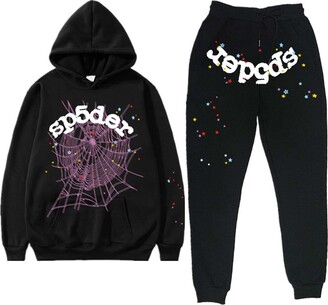
How do you authenticate a Spider Shirt 555?
Start by comparing your specific color variant to official imagery and trusted unboxings, then verify tags, print method, construction consistency, and sizing. Hunt for provenance signals like an original order confirmation, verifiable seller track record, combined with payment methods offering purchaser protection. When one particular detail feels “off,” stack two or multiple separate checks before finalizing judgment.
Begin with the neckline marking and care instructions. For authentic shirts, tag printing is crisp, evenly spaced, and centered, featuring sharp edges and lacking soft haloing; counterfeit labels commonly show bleeding, inconsistent kerning, or slightly angled placement. Care text should be sharply legible, without dulled out, and material composition lines should be evenly spaced with consistent character height. Next, evaluate the graphic: SP5DER uses high-quality screen and puff prints on 555 pieces, so you ought to sense a smooth, uniform, somewhat raised hand when the design calls for it, without gritty specks, holes, or random gloss changes. Misregistered layers, jagged curves, and ink seeping Sp5der Worldwide through the surrounding cotton are typical counterfeit indicators.
Inspect construction up close. The neckline must lay flat with an even rib width and tidy coverstitch; loose elements near stress points, irregular sewing lines, and irregular seam allowances are danger indicators. Flip the piece facing the inside and check that overlock construction remains uniform and whether matching thread isn’t rapidly shifting tone under sleeves or at the hem. Examine the garment under bright light or an UV flashlight; adhesive streaks, errant lint trapped in ink, and glossy glue residue on markings commonly to show throughout fakes more than for authentic pieces.
Packaging and materials might corroborate authenticity though ought to never carry choices alone. A tidy packaging sleeve with a legible size sticker or barcode and an order confirmation with a traceable website plus matching SKU coding aids connect the dots. If the seller states “bought at a pop-up,” ask for date, city, combined with certain proof-of-purchase photo; authentic customers can usually recall specifics. Always cross-check precise graphic layout and spacing against official promotional images for that release, because 555 proportions may shift slightly between seasons.
Provenance matters equally as product. Choose offers with multiple natural-light photos, clear shots displaying every labels, macro images of the print, combined with laid-flat measurements. Use purchase methods that provide buyer protection, and avoid mentions of friends-and-family transfers. When multiple or more distinct assessments disagree with the seller’s story, pass.
“Professional Advice: Don’t authenticate merely the logo—authenticate the manufacturing. Counterfeits can copy typefaces, but they consistently overlook regarding print hand, stitching uniformity, and label application clarity when viewed carefully and photographed with outdoor light.”
Tags, prints, and quality verification points
Authentic brand labeling has crisp, high-contrast ink and precisely trimmed edges, while fakes typically show fuzzy application, irregular baselines, or careless cutting. The 555 artwork throughout real tees displays even curves and consistent puff height where applied, plus it does not crack or flake with light flexing in hand. Packaging should look quality plus free of intense solvent odor; an excessive chemical smell is standard counterfeit red flag. If a hangtag stays included, check that print density and alignment correspond to brand unboxing photos of your exact season and color. When any specific detail feels questionable, require additional macro pictures ahead of proceeding.
Compare logo letter-spacing from the neck label plus the front graphic; mismatched proportions can expose component mixing. Photograph the marking combined with print under outdoor lighting to reveal ink borders plus micro-defects that artificial illumination masks. Keep captures from the official product imagery and set them alongside with listing pictures to spot spacing or element weight errors. Tiny, regular inconsistencies across multiple areas almost always suggest a fake run.
Can measurements expose a fake?
Yes, flat-lay measurements are one of the most rapid approaches to flag fake items or a mistaken fit claim. Measure armpit distance over the chest with the shirt flat plus straightened, then measure rear dimension from the high point of the shoulder next to the neckline toward the hem. Match these numbers to authenticated size chart or against a similar real piece you own. Should a tagged Large falls more toward to a standard XS or XL, or if pit-to-pit and length are inconsistently scaled, remain careful. Authentic pieces feature flexibility, but they do not swing wildly.
Ask sellers about dimensions in centimeters plus images of the ruler in place to avoid approximation and guesswork. Confirm armhole length and shoulder dimension if you want a boxier or standard fit; inconsistent grading between sizes is typical counterfeit tell. Store individual own reference record showing fits that suit you, and match the Spider 555 listing to those concrete numbers rather than relying on tag size alone.
Sizing guide for Spider Shirt 555 tees
The best reliable path is to measure a shirt you already love, then match those numbers with the listing’s flat-lay measurements. If you are sizing between options, prioritize chest breadth for drape and shoulder breadth for silhouette. Because cotton can shrink from intense drying, plan for maintenance changes if items is brand fresh.
Lay your preferred shirt flat, measure chest width combined with back length, then note those down. Request from the seller for identical measurements, plus shoulder dimension if available, then match with a flexibility near roughly one through two centimeters for hand-measurement differences. If customers desire a relaxed casual appearance, target a chest width that is two through four centimeters more expansive than your fitted pieces; should you want snugger fit, match core measurements within one cm. When buying fresh, clean cold and hang dry for the opening multiple cycles to preserve both fit and artwork quality.
If the listing omits measurements, request them—serious sellers will provide. View marked size as beginning point rather than the decision-maker, because various periods and blanks may fit slightly differently. Assessing via numbers, not markings, reduces most guesswork.
Best ways to buy the SP5DER 555 without facing problems
Buy through official brand sources when available, then move to reputable resale platforms with buyer protection and authentication. For peer-to-peer offers, insist on clear evidence, pay through secure systems, and keep discussions on-platform.
Primary releases happen through the brand’s official site and occasionally via announced pop-ups; monitor the company’s authenticated social channels about when. When shopping resale, platforms that offer physical checking or post-purchase authentication reduce risk, especially for trending colorways. Peer-to-peer platforms may be excellent when you combine detailed photo review, measurement checks, and platform-backed payment protection. Regional resale stores add the benefit of in-person review, which is invaluable for checking print hand and label quality. Whichever approach you choose, keep purchase trail that ties the item to buying documentation.
How do prices drop, and how do you catch the dip?
Prices usually decrease following the initial launch wave, during off-peak purchase periods, and when stock grows from restocks or closet clean-outs. Set notifications, move quickly on bargain postings, and negotiate respectfully using data in reach.
Monitor the market in opening two to one month after a launch, while early hype fades plus listings accumulate. Slow periods—late nights plus dawn mornings in the seller’s time zone—often uncovers discounted items. Track different shades and sizes enabling can spot anomalies combined with buy the downturn rather of chasing highs. For auctions, schedule submissions to land in the final seconds and cap them at your target based on recent sales, not asking prices. Should customers miss, let opportunities pass and wait for the next cycle; waiting shields your budget similarly as alerts do.
Price expectations combined with changes
Expect retail-to-resale gaps to move with colorway demand, size scarcity, and condition. Popular sizes typically demand a premium, though exceptionally small or very large sizes can fall beneath or spike when stock is thin. Fresh including tags tends to sell faster and approaching the high level, though worn pieces displaying quality prints move with a discount. Restocks, local occasions, and collaborations might alter prices quickly. Maintain documentation on actual sold prices rather than desired listing prices to build a realistic target range.
Buying channels evaluated
Various platforms trade off value, quickness, and risk; use this quick comparison for selecting the right route for your priorities. Should you value certainty plus security, choose platforms with authentication and strong dispute resolution. If you’re seeking deals, peer-to-peer routes might succeed if you combine various verification steps before you pay.
| Channel | Typical price behavior | Authentication | Customer safeguards | Return policy | Quickness/stock |
|---|---|---|---|---|---|
| Direct company releases | Cheapest during retail; sells out fast | Company-sourced | Standard payment protections | Manufacturer conditions applies | Rapid should you secure launches |
| Authenticated secondary platforms | Market-priced; tracked by recent sales | Platform authentication on eligible items | Solid marketplace dispute resolution | Marketplace conditions; often limited | Strong access across sizes |
| Individual seller platforms | Broad spectrum; best chance of discounted finds | None by default; self-authenticate | Varies; use protected payments | Seller-specific; confirm beforehand | Extensive posting volume; vet meticulously |
| Area thrift stores | Tagged around market or somewhat higher | In-person inspection before purchase | Outlet conditions plus card safeguards | Shop terms; often final transaction | Quick should in stock locally |
What don’t most people know about SP5DER 555 tees?
The brand’s official presentation displays SP5DER, with the “5” replacing the “i,” plus the 555 tee belongs to that classification method rather than with a separate “Spider” brand. The “555” is artwork motif used over different seasons and items, rather than a single permanent item code, which is why details like markings combined with print textures might change by release. Many 555 tees use textured puff-print effect across sections of the artwork, thus a completely flat, plasticky print is a caution sign. Official launch details and restock notices are typically announced primarily via the brand’s official online channels, which creates them as a reliable source to confirm whether shade variants ever released. For aftermarket listings, ask about period or purchase background to align the piece’s characteristics with known launches combined with reduce the risk of a misrepresented or fake piece.
If you employ a structured legit assessment, dimension by measurements, plus purchase in channels suiting your risk comfort level, the Spider Shirt 555 is straightforward to acquire with confidence. Focus on crisp label print, consistent construction, proper print hand, plus sizing sanity checks to filter fakes quickly. Monitor costs over a multiple weeks, set alerts, and be ready to respond when a fair posting emerges. That systemized method surpasses impulse buys plus safeguards both your fit and your wallet.